Project briefing
Review goals, site conditions, budget direction, and preferred finish tier.
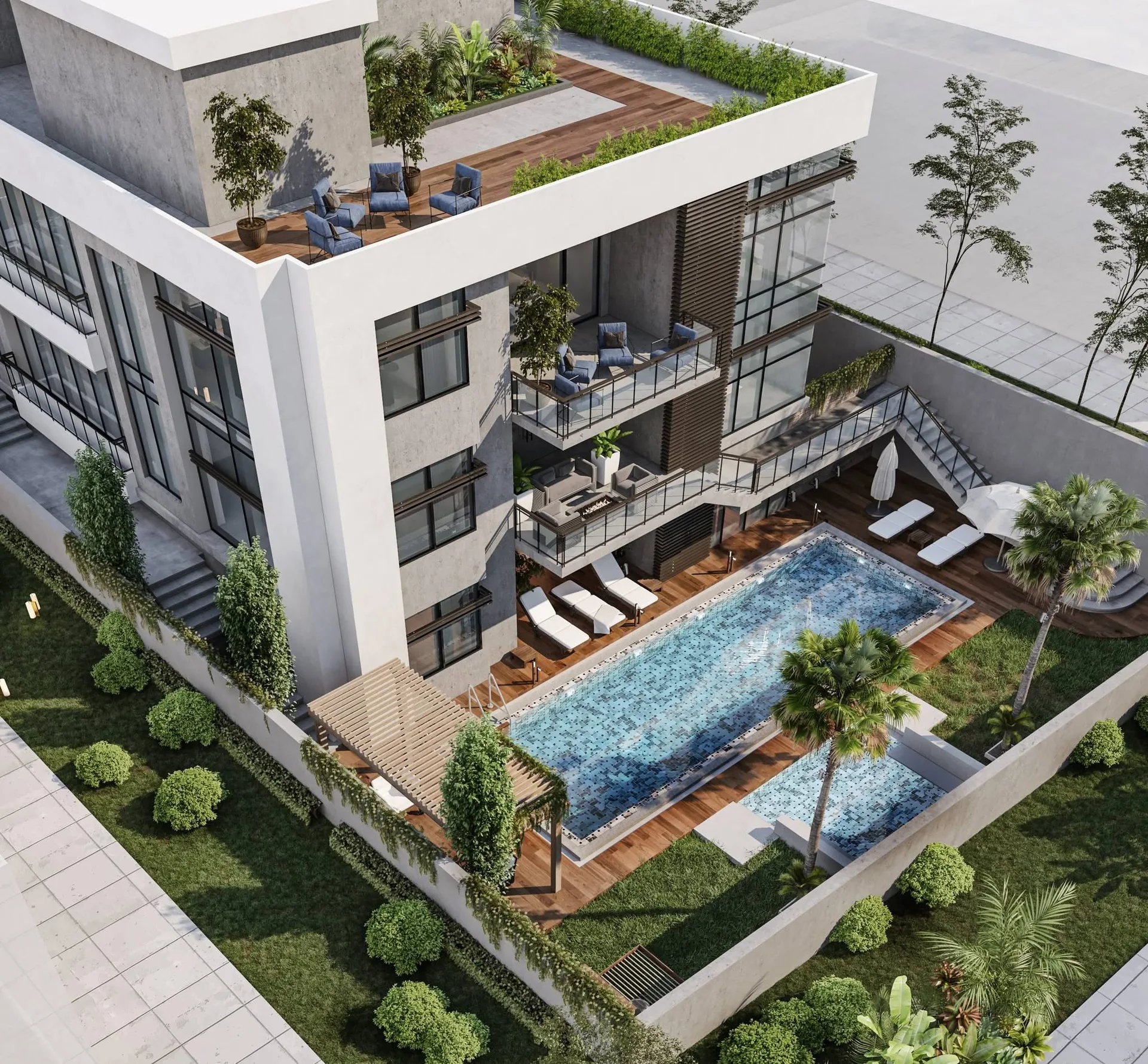
Design-Build Planning
Align design direction, material choices, budget range, and buildable construction scope before work begins.
Planning process
Use design-build planning to confirm the most important project assumptions before formal estimating and mobilization.
Review goals, site conditions, budget direction, and preferred finish tier.
Translate the idea into a practical buildable direction with scope and documentation needs.
Compare cost ranges, assumptions, and site logistics before final commitment.
Prepare the contract scope, plan details, and handover documentation for execution.
Why this approach
Design-build planning helps homeowners make better decisions about what is included, what is optional, and what will be delivered on site.
Document the finish level, structural requirements, and estimate assumptions before work begins.
Make sure the design direction aligns with the lot, access, local construction conditions, and budget.
Keep the final result focused on a handover-ready build, not only a conceptual image.
Budget & estimate guidance
Planning and coordination services are typically quoted separately from construction. Use this as reference while budgeting for design-build alignment.
| Service | Scope |
|---|---|
| Design-build consultation | Scope review, concept alignment, initial budget guidance: depends on project complexity. |
| Construction estimate | After planning alignment, prepare site-specific construction estimate with documented assumptions. |
| Documentation support | Drawings, specifications, and turnover records: included in construction or available separately. |
FAQ
Find answers about how design-build planning works and how it reduces construction risk.
Design-build planning aligns your concept, budget, site, and buildable scope before estimating. A simple estimate may miss important site constraints or design assumptions. Design-build planning reduces misalignment and surprises.
Planning timeline depends on project complexity. Simple projects: 2–4 weeks. More complex homes or renovations: 4–8 weeks. The goal is to prepare you for construction, not rush decisions.
Design-build planning is meant for exploration and refinement. Changes during planning are normal and help you make better decisions before committing to construction.
Design-build planning generates documented scope and estimates that you can use with any contractor. We prefer to continue to construction for consistency, but the choice is yours.
Bring lot details, floor area or size targets, preferred finish level, budget range if available, style preferences, reference images, and timeline expectations. The more clarity you bring, the better the planning outcome.
Related services
Once design-build planning is complete, move to full residential construction execution.
Get structured drawings and specifications from your design-build plan for construction reference.
Coordinate finishes and handover details based on your design-build direction.
Plan smarter
Align design, budget, and site so construction can begin with clarity and confidence.